
Navigating the COSHH Landscape: A Guide for UK Employers and Compliance Officers
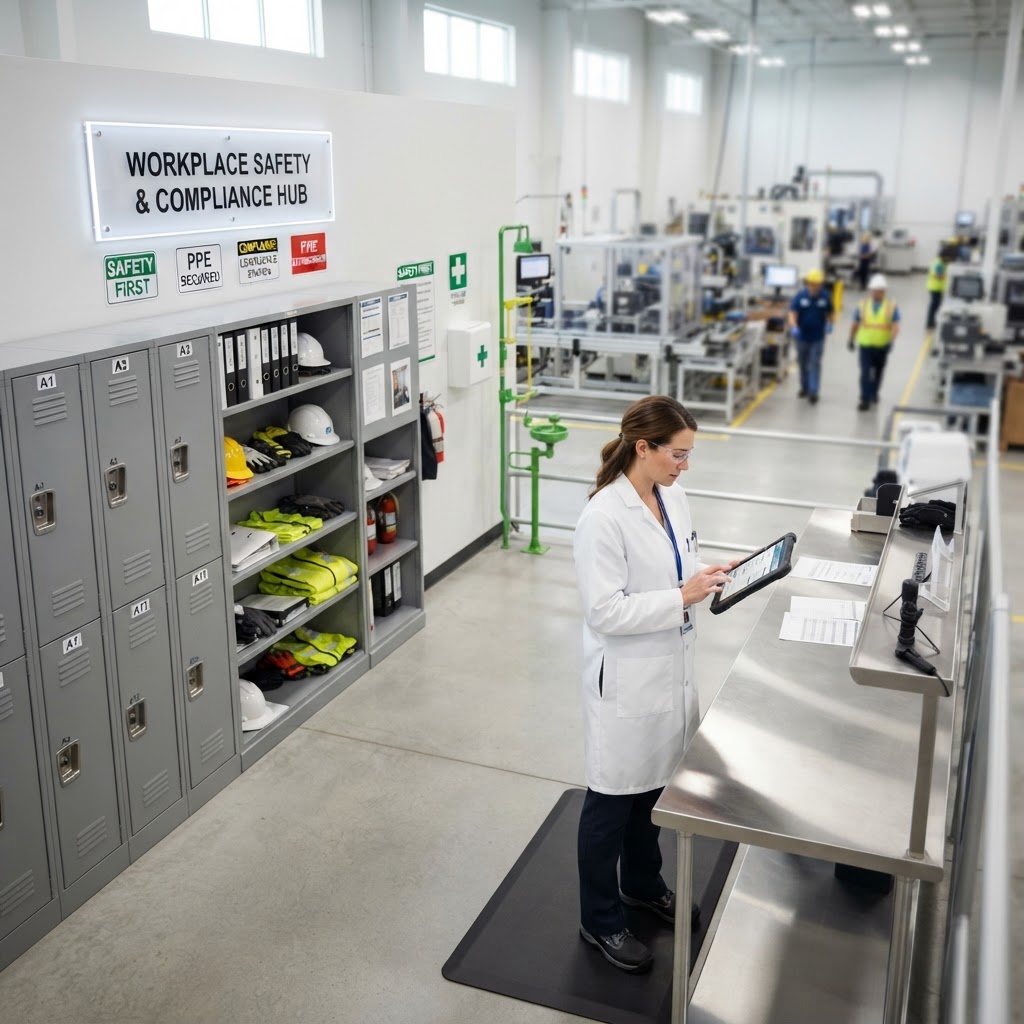
Navigating the COSHH Landscape: A Guide for UK Employers and Compliance Officers
For UK employers and compliance officers, maintaining a safe working environment is not just an ethical imperative—it is a legal necessity. Among the most critical aspects of workplace safety is the Control of Substances Hazardous to Health (COSHH). Whether you operate in a high-risk manufacturing facility, a laboratory, or a healthcare setting, understanding how to manage hazardous substances is essential for protecting your staff and maintaining regulatory compliance.
Understanding the Legal Framework: What is COSHH?
COSHH stands for the Control of Substances Hazardous to Health. It is a set of regulations that requires employers to control substances that can cause ill health. These substances can take many forms, including chemicals, fumes, dusts, vapours, gases, and biological agents. Under the Health and Safety at Work etc. Act 1974, employers are responsible for conducting COSHH Risk Assessments to identify risks and implement appropriate control measures.
Identifying Hazardous Substances in Your Workplace
Before you can control a risk, you must identify it. Hazard identification involves a thorough audit of all materials handled, stored, or created during work processes. Look for warning symbols on labels, consult Material Safety Data Sheets (MSDS) provided by suppliers, and consider the potential for by-products, such as welding fumes or sawdust. Our Health and Safety training can provide your team with the foundational knowledge to spot these hazards early.
The Hierarchy of Controls: Managing Risk Effectively
Once hazards are identified, the HSE suggests a specific hierarchy for risk control. You must always attempt to eliminate the hazard first (e.g., swapping a toxic solvent for a safer alternative). If elimination is impossible, use substitution, engineering controls (like local exhaust ventilation), and finally, Personal Protective Equipment (PPE). Relying solely on PPE is often a sign of insufficient risk management.
Ensuring Staff Competence: Training and Information
Legal compliance requires that employees are not only protected by equipment but are also informed about the risks they face. Effective training ensures that staff understand how to interpret safety data sheets, use control measures correctly, and identify the signs of exposure. Guardian Medical offers expert-led compliance and health and safety courses designed to give your workforce the confidence they need to handle hazardous materials safely.
Monitoring and Reviewing Your COSHH Strategy
A static risk assessment is a dangerous one. COSHH demands ongoing vigilance. Periodic reviews of your control measures, regular health surveillance for at-risk employees, and maintaining detailed records are non-negotiable. If you find your current safety protocols falling behind, our consultancy services can help you perform an internal audit to bridge the gap.
Key Takeaways
- COSHH applies to any substance that could cause harm, not just clearly labelled chemicals.
- Prioritise the hierarchy of controls: elimination and substitution before PPE.
- Regular training is a legal requirement under UK health and safety legislation.
- Document everything; if a risk assessment isn't written down, it effectively doesn't exist for inspectors.
- Proactive monitoring of employee health is essential for long-term compliance.